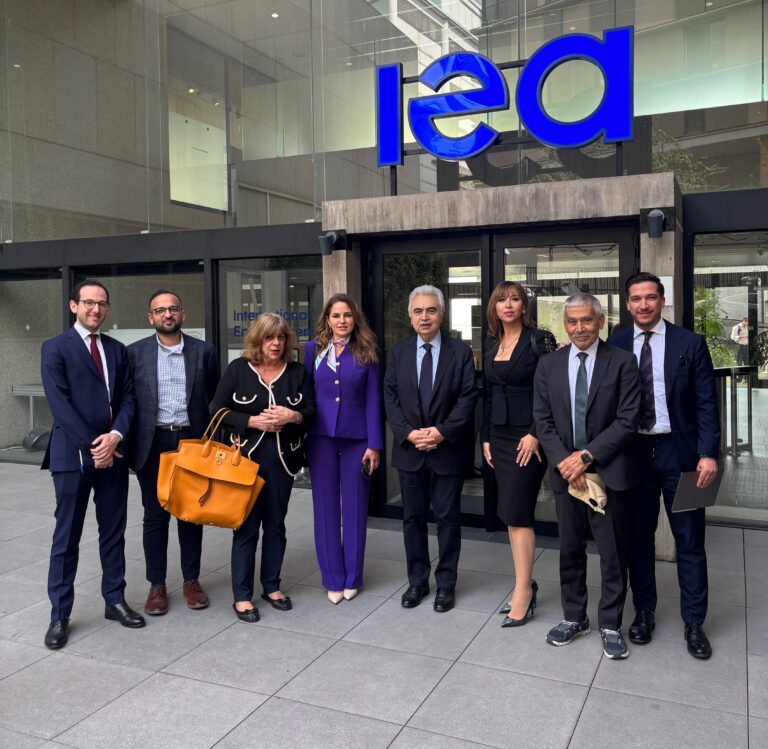
AEC Virtual Meeting, June 2026: Beyond Hormuz, Rethinking Gulf Energy Security
As part of its ongoing efforts to promote dialogue and cooperation on regional and global energy challenges, the Arab Energy Club (AEC) convened a virtual meeting on June 3, 2026, with the support of Gulf Intelligence. The meeting brought together energy experts to examine the implications of the Strait of Hormuz disruption for global energy markets and the future of energy security in the Gulf region.
Held under the theme “Beyond Hormuz: Rethinking Gulf Energy Security,” the meeting was divided into two sessions, addressing the immediate consequences of supply disruptions and their longer term implications for energy markets, investment and the global energy transition.
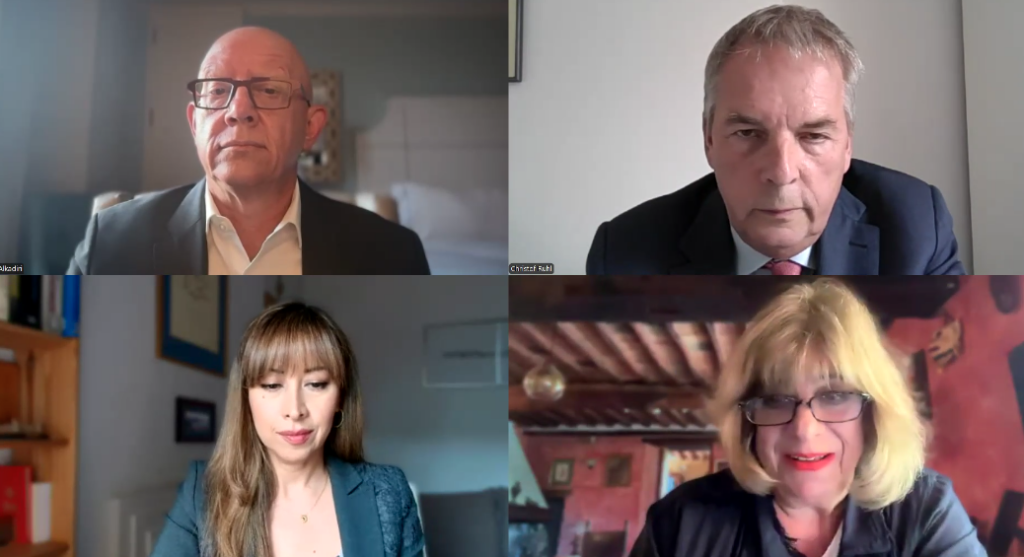
Session 1: Hormuz Disruption: Short Term Impact on Oil, Gas and Trade Flows
Moderated by Kate Dourian, AEC Program Director and Contributing Editor at MEES, the session featured a keynote address by Christof Rühl, Senior Research Scholar at Columbia University’s Center on Global Energy Policy and Global Adviser to Crystol Energy. Other speakers included Raad Alkadiri, Managing Partner of 3TEN32 Associates, and Sara Akbar, President and CEO of Sonoro Energy.
The discussion focused on the immediate impact of the Strait of Hormuz disruption on crude oil, LNG and refined product exports from the Gulf. Key topics included the divergence between futures and physical oil markets, the resilience of regional producers, and the implications of maritime security risks, rising insurance costs and shipping bottlenecks for global trade. The session also examined the strategic importance and limitations of alternative export routes, including Yanbu and Fujairah, alongside the consequences of disruptions to Qatar’s LNG infrastructure for global gas markets.
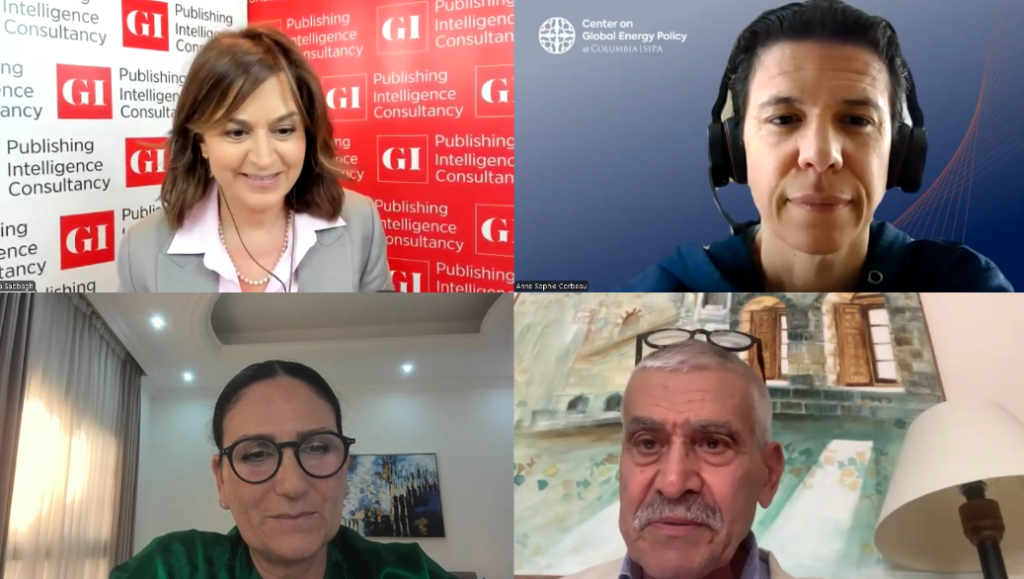
Session 2: Beyond the Crisis: Energy Transition, Demand Shifts and Energy Security
Moderated by Dyala Sabbagh, Editor in Chief of Gulf Intelligence, the second session featured a keynote address by Dr Adnan Shihab Eldin, AEC Executive Committee Member and Senior Visiting Research Fellow at the Oxford Institute for Energy Studies. Other speakers included Anne Sophie Corbeau, Global Research Scholar at Columbia University’s Center on Global Energy Policy, and Joumana Hosri, CEO of Sacotel Znshine.
The session explored the potential longer term implications of the Hormuz crisis for global energy demand, trade patterns and energy transition policies. Discussions covered the prospects for greater investment in renewable energy, electrification and nuclear power, alongside the impact of higher and more volatile hydrocarbon prices on consumer behaviour and investment decisions. Speakers also considered the evolving role of natural gas and LNG, the importance of grid resilience and regional power integration, and how Gulf producers could adapt to changing energy security priorities.
Established in 2007, the Arab Energy Club fosters dialogue and collaboration among energy experts in Arab countries, aiming to advance the sector’s contribution to economic and social development. The Club also addresses global energy trends, including renewables, and their implications for the Arab region, while raising awareness of the intersection between energy, environment, and development.